

What Is Cross-Contamination in Home Cleaning?
When people think of cross-contamination, their minds go straight to raw chicken and food poisoning. But truthfully? Cross-contamination isn’t just a kitchen issue – it’s a home-wide cleaning mistake that can make your space less healthy and more stressful.
At Manoela Cleaning Services we’ve seen it all: toilet germs shared with the kitchen, dirty mops moving grime between rooms, and well-meaning kids spreading bacteria like it’s glitter.
So how do we stop the germ exchange and clean smarter, not dirtier?
5 Practical Tips to Stop Germs Spreading at Home
1. Separate Cloths by Room and Task
The first (and often overlooked) rule of healthy home cleaning: never use the same rag for the toilet and the sink. A single wipe is all it takes for germs to hitch a ride from one surface to another. According to the Centers for Disease Control and Prevention (CDC), shared cleaning tools can spread harmful pathogens across your home, increasing the risk of illness – especially in households with children or older adults.
The solution is simple: assign specific cloths to each area. A color-coding system makes this effortless and foolproof – your brain (and even your kids) will quickly pick up the routine, keeping your cleaning safe and stress-free.
2. Wash Cloths and Mops at High Temperatures
A 30°C quick wash won’t kill germs. For real hygiene, wash cloths, mop heads, and sponges at 60°C or higher after bathroom or kitchen use. Heat eliminates bacteria and restores your tools’ cleaning power.
3. Refresh or Replace Worn-Out Tools
If a cloth or sponge smells even after washing, it’s time to let it go. Microfiber cloths last through dozens of washes, but once they lose their grip or freshness, swap them out. The same goes for mop heads and sponges – better to refresh regularly than risk spreading germs.
4. Clean and Care for Rugs and Mats
Rugs and doormats act like giant germ collectors, especially in Finland with its snow, salt, and muddy seasons. Vacuum often, shake them outside weekly, and wash regularly depending on the material. Replace mats only when they no longer clean up well.
5. Always Dry Tools Properly
Damp cloths and mop heads are breeding grounds for bacteria and mold. After each use, rinse, wring, and hang them to dry in a well-ventilated space. A small drying rack or hooks in your laundry area can make this an easy daily habit.
3 Smart Habits to Prevent Cross-Contamination in Home Cleaning
1. Create a Color-Coded Home Cleaning System
Color-coding isn’t just about separating cloths – it’s about creating a whole visual system for your home. Use different colored cloths, sponges, and even spray bottles for kitchens, bathrooms, and living areas. For families, it becomes a simple teaching tool: everyone knows instantly what goes where.

Try this: Ready-made sets like SINI’s color-coded cloths come with labels, making it even easier to avoid mix-ups.
2. Build a Care Routine for Your Home Cleaning Tools
Good tools only stay hygienic if you care for them between uses. Rinse cloths after each clean, dry them in a ventilated space, and launder them regularly. Keep a small basket or caddy in each room stocked with fresh cloths – this way, the right tool is always within reach, and you’re less likely to “just grab what’s nearby.”
Quick guide:
- Kitchen cloths → replace every 2-3 days
- Bathroom cloths → wash regularly after use
- Sponges → replace every 1-2 weeks
- Mop heads → wash regularly after use
3. Shoes Off Indoors: A Small Habit with a Big Hygiene Impact
Keeping shoes on inside the home may feel convenient, but studies show it’s a habit that can significantly increase indoor contamination. According to research from the University of Arizona, the soles of shoes can carry an average of 421,000 different types of bacteria, including E. coli, Clostridium difficile, and other harmful microbes commonly found in public restrooms, animal waste, and sidewalks.
Shoes also track in:
- Pesticides and lawn chemicals
- Heavy metals like lead from soil
- Allergens such as pollen and mold spores
- Grit and grime that damage floors over time
For households with children, especially toddlers who crawl or play on the floor, the risk is higher. What’s on your shoes ends up in their hands.
Simple habit:
Create a dedicated “shoe-free entry zone” near your front door. Include a low bench or stool, a mat, and a basket or shelf for shoe storage. Encourage the habit by providing indoor slippers or non-slip socks. For kids, make it fun: let them decorate their own shoe cubbies with name tags or stickers to build the habit early.
How to Teach Kids About Cross-Contamination
Let’s face it – kids are adorable germ bombs. Their curiosity and energy are wonderful, but they can also unknowingly carry bacteria from one surface to another, especially when involved in cleaning tasks. The good news? With a bit of structure and the right tools, even young children can become thoughtful participants in maintaining a healthy home.
1. Teach Them Cleaning Zones
Explain that certain cloths and tools are assigned to specific tasks – one for toilets, another for tables, and so on. Even toddlers can start to grasp this concept using a simple color-coded system. Over time, it becomes intuitive and empowering for them.
Clear boundaries reduce the chances of accidental cross-contamination – and teach responsibility in the process.
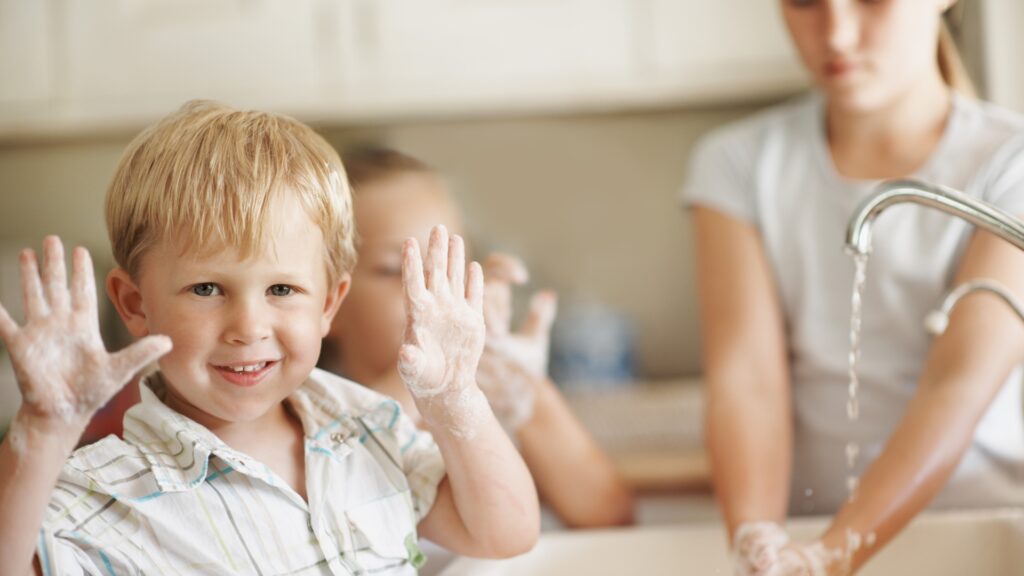
2. Reinforce Handwashing Habits
Handwashing remains the single most effective way to reduce the spread of germs in the home. According to the World Health Organization (WHO), proper hand hygiene can prevent up to 30% of diarrheal illnesses and 20% of respiratory infections in children.
Recommended Practice:
Teach children to wash their hands:
- After coming inside
- Before eating or preparing food
- After using the bathroom
- After helping with any cleaning task
Use songs, timers, or visuals to make it a positive routine rather than a chore. Young children may need reminders and modeling, but it’s worth the consistency.
3. Keep Cleaning Simple and Visual
Children learn best through visual cues and repetition. You don’t need an elaborate system – just enough to make them pause and choose the right tool.
Helpful Strategy:
Create small laminated cards with icons showing which cloth is for which room. Add stickers to shelves or use visual labels for cleaning baskets. A simple “green = toilet” image can help even non-readers participate with confidence.
When Cleaning Makes Things Worse
Yes, it’s possible.
When your cleaning tools start spreading germs instead of removing them, your effort starts working against you. What should be a hygiene routine becomes a source of contamination – and more stress.
Over time, poor cleaning practices can lead to:
- Bacterial buildup in kitchens and bathrooms
- Re-contaminated surfaces, even after a deep clean
- Higher risk of illness, especially in homes with children or pets
- Invisible grime that causes odors and damages surfaces over time
It’s not about scrubbing harder – it’s about using smarter systems that prevent the spread of germs in the first place.
A Daily Home Cleaning Rhythm That Prevents the Spread
You don’t need to scrub endlessly or sanitize every inch of your home to stay ahead of germs. What you do need is a repeatable routine that builds smart habits – without adding pressure.
Here’s a realistic daily rhythm designed to prevent cross-contamination and help you stay in control, even on busy days.
Morning Reset (5-10 minutes)
- Hang cloths to dry in a well-ventilated area (avoid damp piles or baskets)
- Wipe high-touch points with a general-purpose cloth (e.g. door handles, light switches, fridge handles)
- Empty the kitchen bin if it smells or is near full
After Meals (5-10 minutes)
- Use a kitchen-only cloth to wipe down tables, counters, and the sink area
- Sweep or vacuum crumbs from under the table
- Rinse and hang the cloth used – do not reuse if it’s heavily soiled
Evening Clean-Down (10–15 minutes)
- Use your bathroom cloths for a quick refresh
- Rinse cloths and hang to dry – never leave wet ones in a ball on the sink
- Replace any cloths due for washing (kitchen: every 2-3 days, bathroom: weekly)
- Prep clean cloths for the next day (color-coded and separated by zone)
Helpful Habit: Store cloths and sprays in small room-specific caddies. When your tools live where you need them, cleaning becomes easier to maintain.
Reflection Box: What’s One Change You Can Make Today?
- Do you have a system for separating cloths by room or task?
- Are your tools cleaned, dried, and replaced regularly – or reused past their prime?
- Could a consistent 10-minute daily routine help you feel more in control?
- Have you taught your kids (or anyone helping at home) how to avoid cross-contamination?
A few small changes can make your cleaning not just easier, but far more effective.
Final Thoughts: Clean Smarter, Live Healthier
Cross-contamination isn’t about being careless – it’s about not having the right structure. With clear zones, proper tools, and realistic routines, you can clean in a way that protects your health, your time, and your peace of mind.
And if you’re ever feeling behind or overwhelmed, know this: Support isn’t a luxury – it’s a strategy.
Whether it’s once a season or once a week, we’re here to help you clean smarter, not harder. And if you’re wondering why more families in Helsinki and Espoo choose professionals, discover the top benefits of professional cleaning services in our guide.